What's our approach to retrofit advice and surveys?
.png)




We work with lots of different householders, who all come to us for different reasons.
Sometimes they're looking to move away from gas and reduce carbon, while for others it's about improving air quality, making rooms warmer, or reducing mould, damp and cold spots. For many of our clients, they're wanting to tie energy efficiency measures into renovations such as extensions or bigger home upgrade projects.
Householders often know what they want to achieve, but they don’t always know what to do first, what to do later, what not to do, and how to connect all the dots.
Our retrofit surveys and advice are intended to help you make all those decisions. We look at your home as a whole, alongside your priorities, needs and ideas, and use this to help work out what might make sense for your particular circumstances.
That doesn't mean recommending every possible retrofit measure, or assuming that the same approach will work for every home. Even on a street full of identical houses, our advice will likely differ. Families and individuals will all have different needs and budgets, and will use their homes in vastly different ways to one another.
We create individual scenarios to help you understand the options, and to consider what you might want to do now, what could wait until later, and how different decisions might affect one another.
It's not an approach that's right for everyone. If you've already got your heart set on a very specific measure, it's probably better to find an installer to help you. If you're already halfway through a build, our advice might not be the most useful.
But if you're trying to work out what to do with your home, how to prioritise your plans, or how different improvements might work together, this is the approach we take.
Designed for you
Our service is designed to help you understand the best next steps to take - whatever your circumstances - and to plan out your full retrofit journey if you’re tackling it in stages.
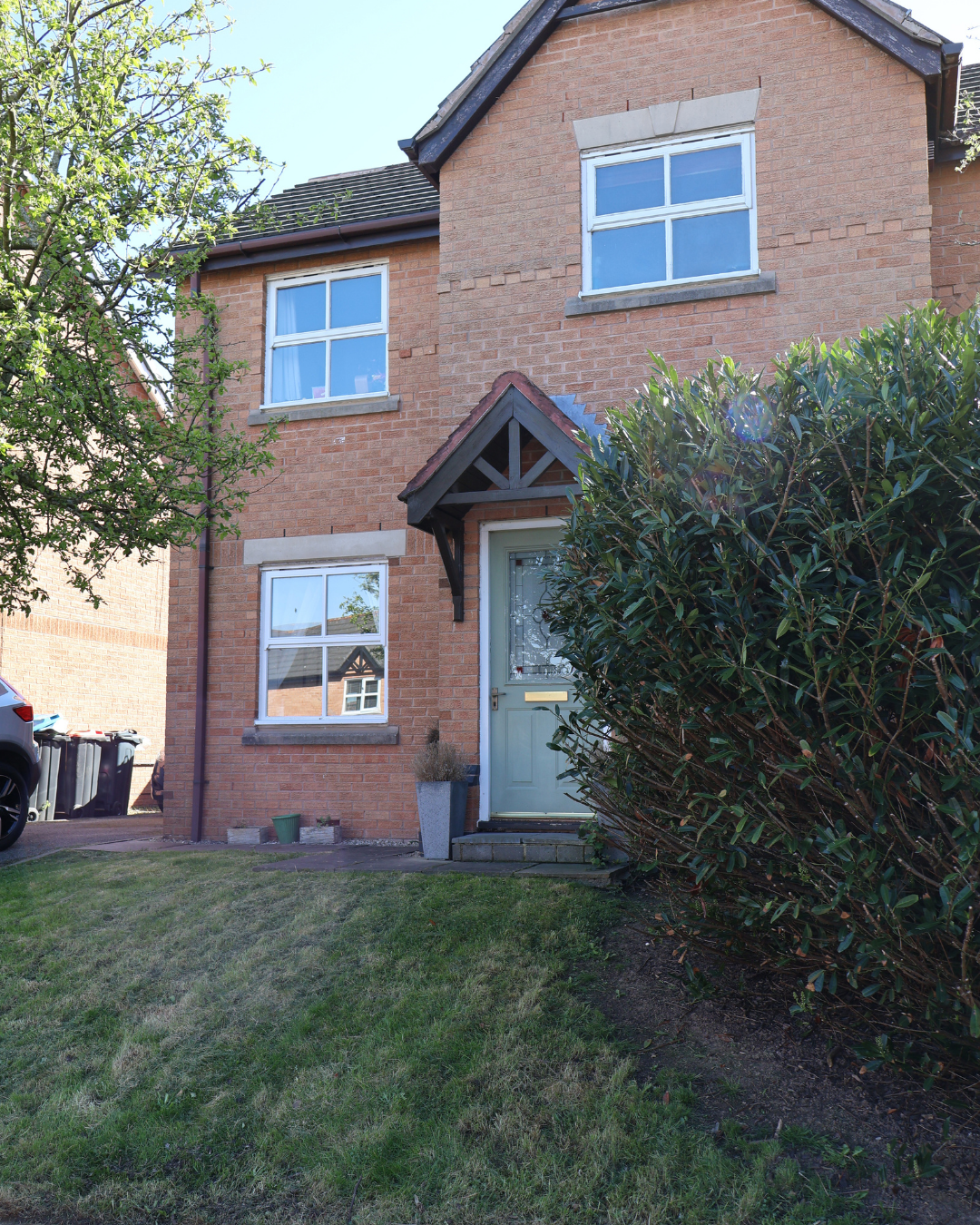
We design our advice based on your priorities, needs, ideas and our assessment of your home, helping us to create tailored scenarios that test and suggest options for retrofit. Even on a street full of identical terrace houses, our advice is likely to differ - families and individuals will all have different needs and budgets and will use their homes in vastly different ways to one another. By creating individual scenarios based on you and your family, you’ll be able to evaluate the impacts of our suggestions against your aims and project constraints - not the aims or project constraints of an algorithm.
Whole house (or flat)
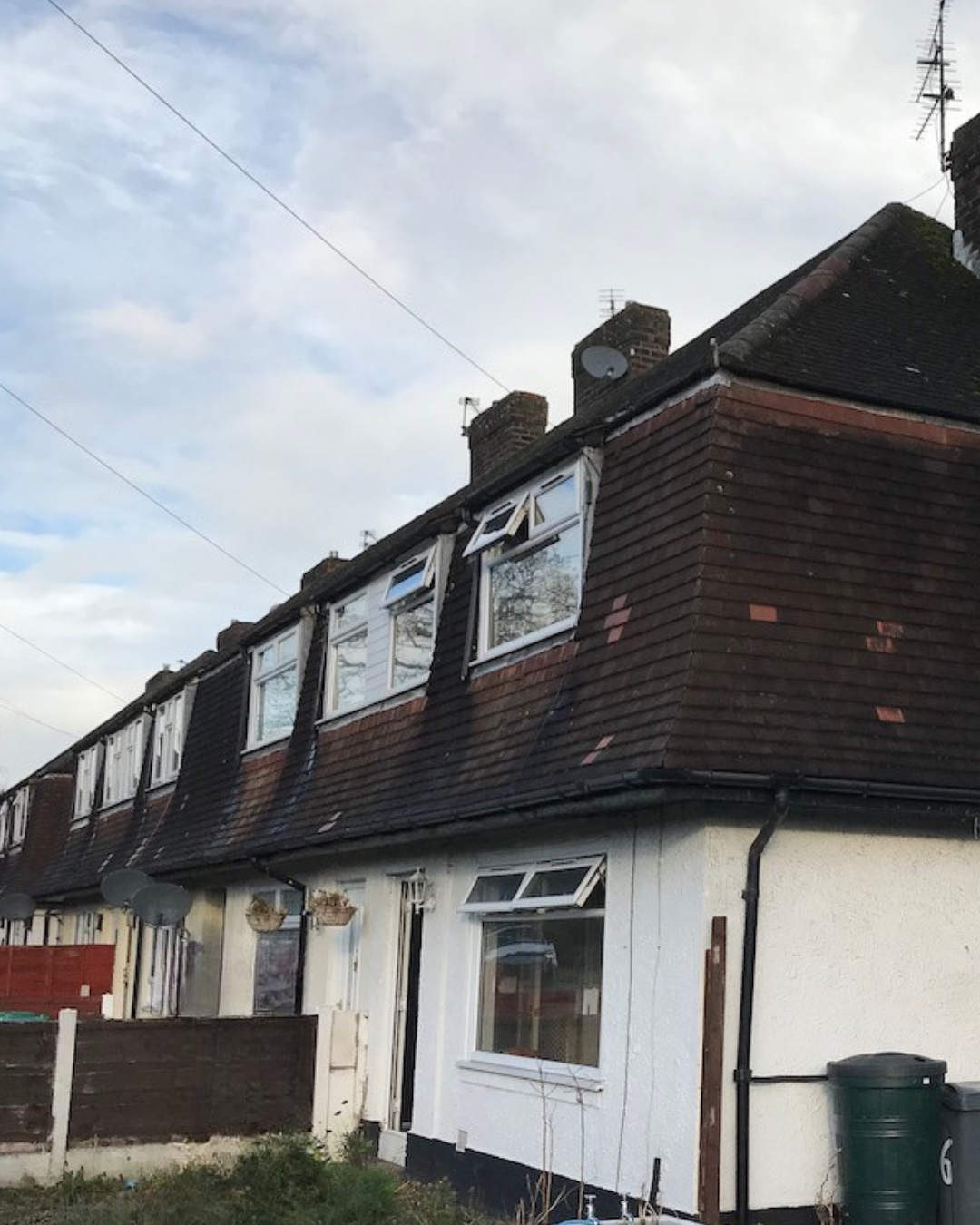
Buildings are not simple square boxes - they are complex, interacting systems. Change one thing in one part of the home and you could end up with a whole host of issues occurring elsewhere.
We think of the home holistically, considering a broad range of factors to help us identify how improvements can work together to create better outcomes. This means that we take into account comfort, ventilation and indoor air quality, building condition and maintenance, aesthetics and heritage alongside energy use to reduce the risk of negative unintended consequences - rather than treating energy efficiency as a series of isolated, quick fixes.
Build tight, ventilate right
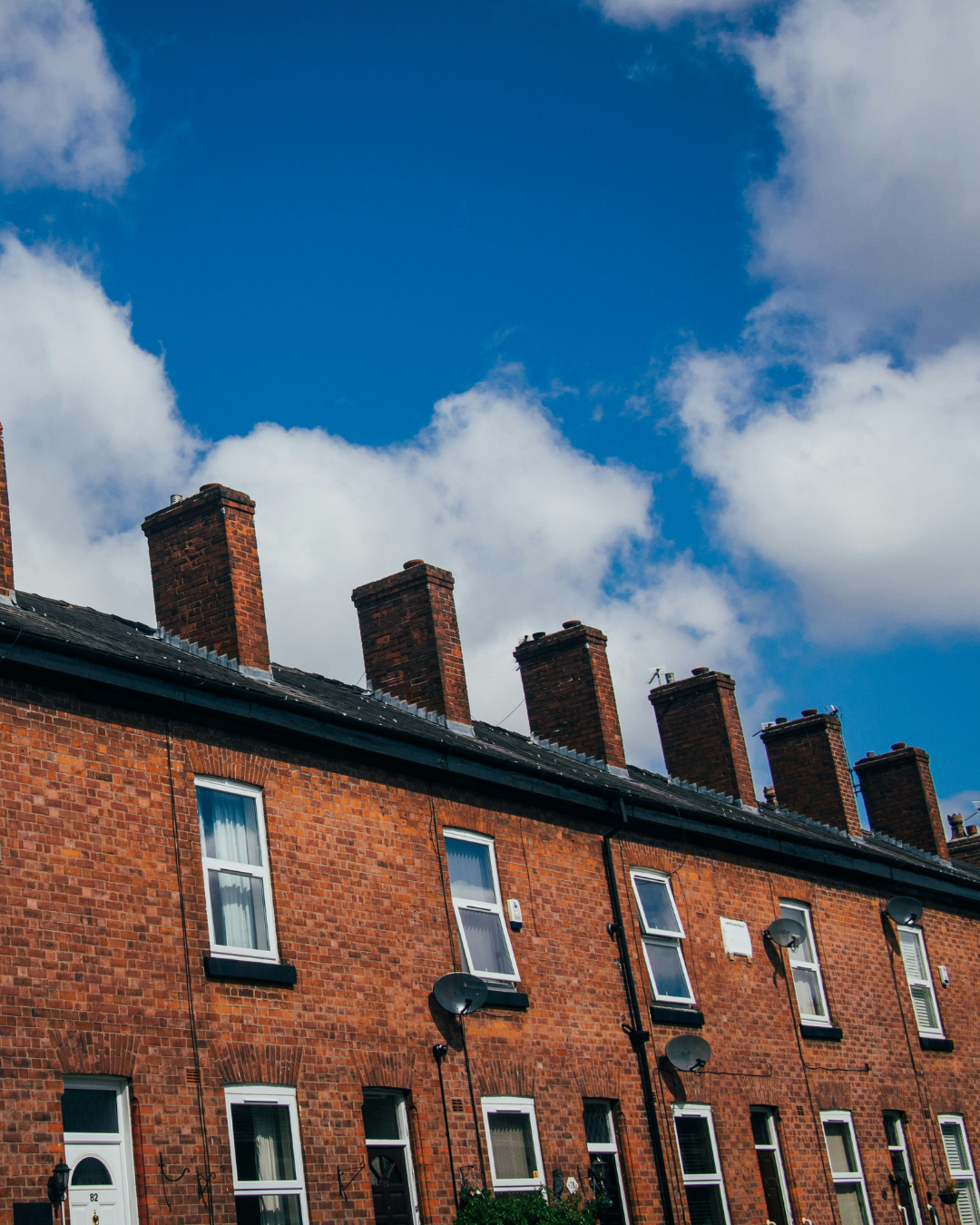
Air leaking through gaps, cracks and holes is a major contributor to heat loss from homes. Draughts make people feel colder and less comfortable, while wet air leaking into cold spaces within the construction can condense and damage the building. Even in less airtight homes, we can’t just rely on gaps and cracks or window opening (especially in winter) to provide ‘fresh’ air.
Our approach is always to make an assessment of existing ventilation, and to suggest a strategy of incremental improvements that reduces the risk of moisture and pollutants building up in the internal air.
A healthy home requires us to build tight and ventilate right, ensuring clean air flows where it’s needed without sacrificing warmth.
Carbon-free heat
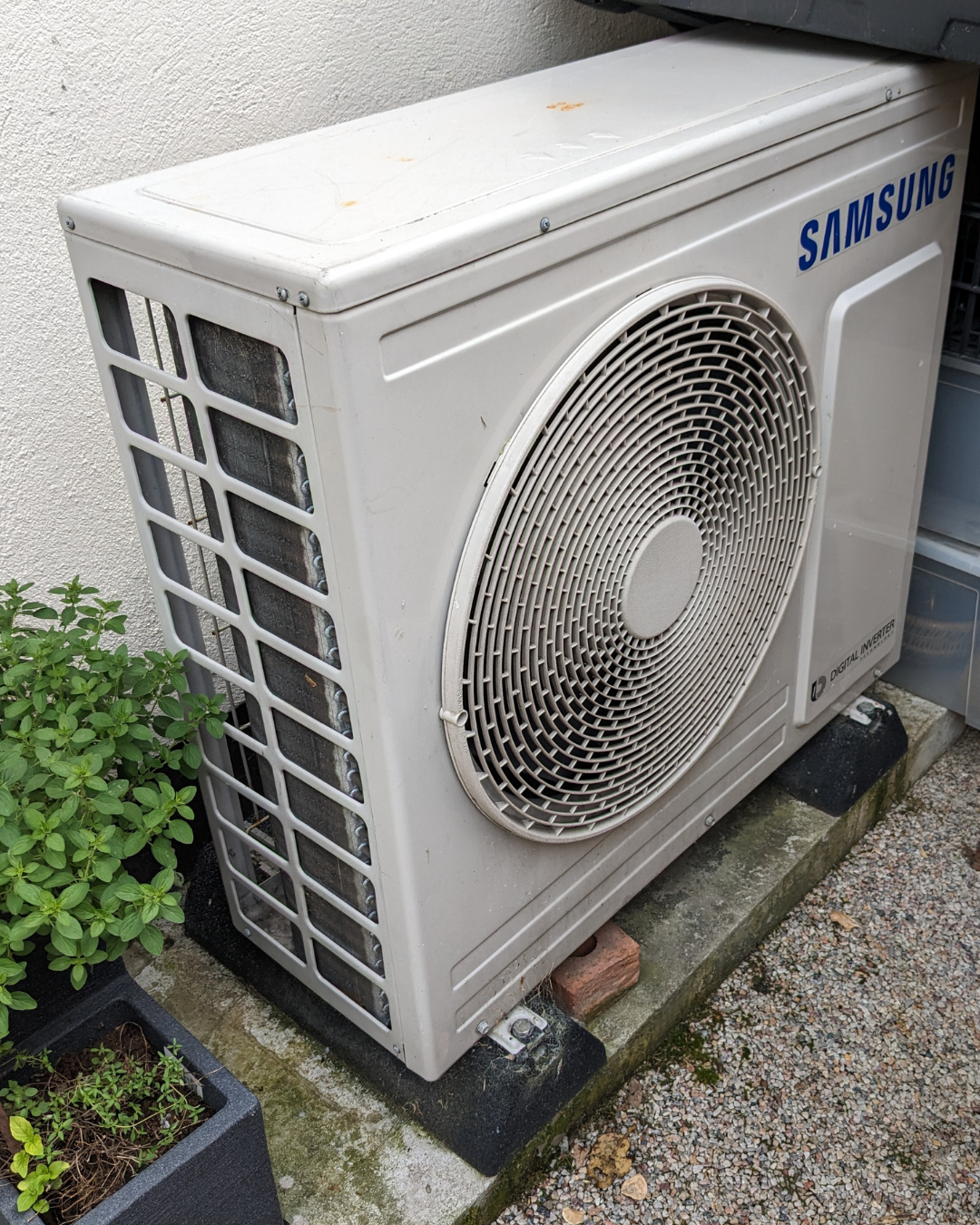
The biggest use of energy in most homes in the UK is heat - for space heating and hot water. In most homes, this is usually provided by fossil-fuel-based systems like gas boilers, which can often be older and highly inefficient.
We believe that to reduce dependency on fossil fuels as a nation, we need more people introducing alternative forms of heating in their homes. Our approach is to help you to plan how to make heating in your home fossil-fuel free, now or in the medium term, using existing proven technology.
Balancing ‘fabric-first’ and heating system improvements
We usually prioritise repairs and building fabric improvements ahead of ‘add ons’ like solar panels, balancing it with the need to rapidly decarbonise heat. Improvements to insulation, draught proofing and ventilation are often necessary to create healthy homes - however, we also recognise that the cost and disruption of deeper fabric retrofit can be daunting, too disruptive or even wholly inappropriate for some families.
In many cases, a set of basic measures to ensure a well-specified, efficient, and effective heat pump is a great option. We consider which of your priorities—whether carbon, comfort, or running costs—are most important to you, while also taking into account your budget, timescales, and the condition of your home. Based on this, we recommend a balanced plan of fabric and heating improvements, alongside potential further steps for you to consider in the future. We take this approach because ensuring homes are in a good state of repair before retrofitting significantly reduces the risk of unintended consequences like damp and condensation.
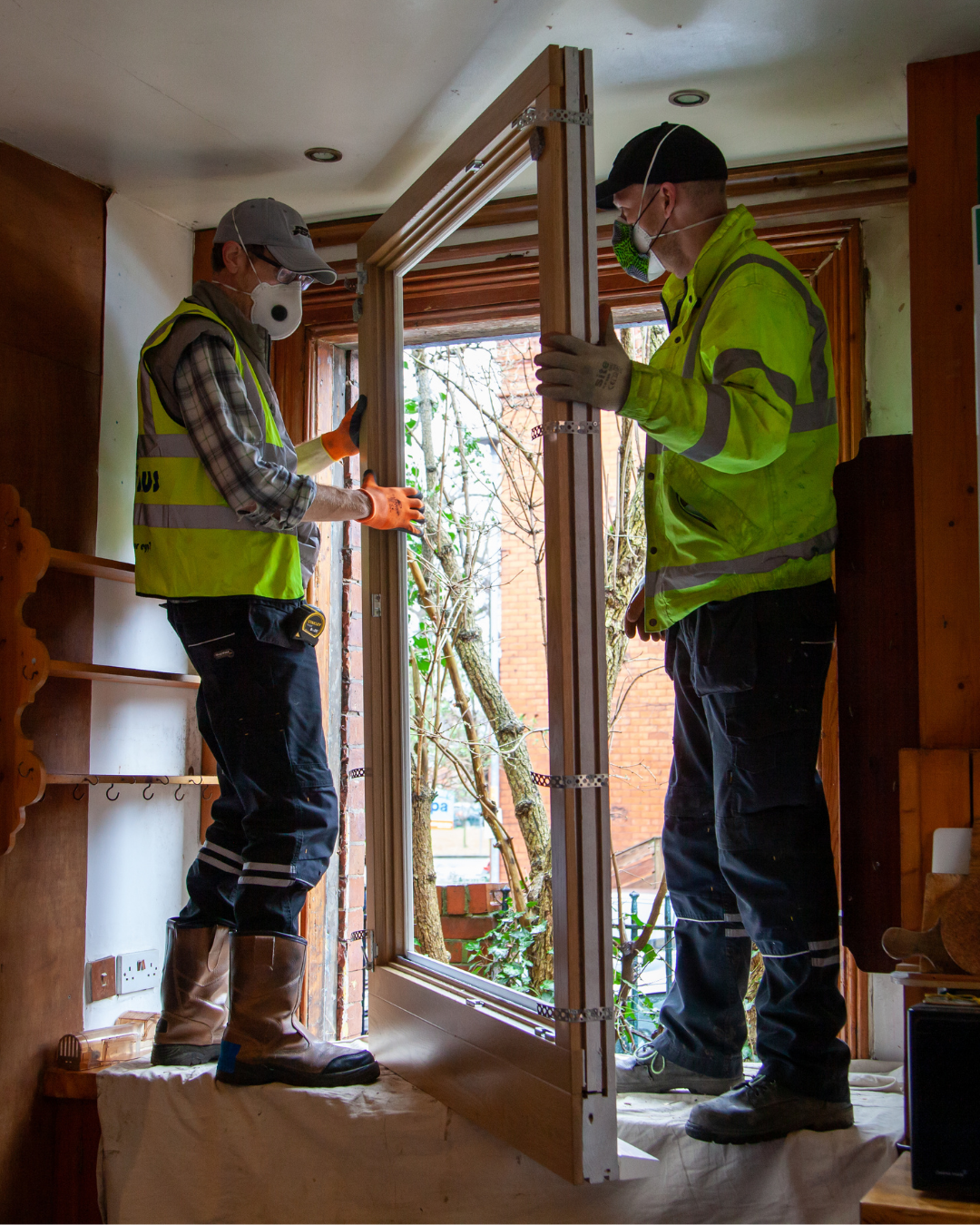
'Fabric first’
Done well, a ‘fabric first’ approach reduces the risk of a ‘performance gap’ between expectations of how the building might perform while it’s being designed, and the reality of the building once it’s built. This applies to energy use as well as comfort and health. Reducing heat loss from your home makes it much easier for efficient, low-flow-temperature heating systems to keep you warm and comfortable.
Current plans to decarbonise the national electricity grid rely on significantly reduced energy demand- especially during peak times. Achieving this at a system level requires both efficient heating systems like heat pumps and improved insulation. What this looks like for an individual house, however, will always depend on how the home is used and the condition of the home.
Considering ‘up front’ impacts
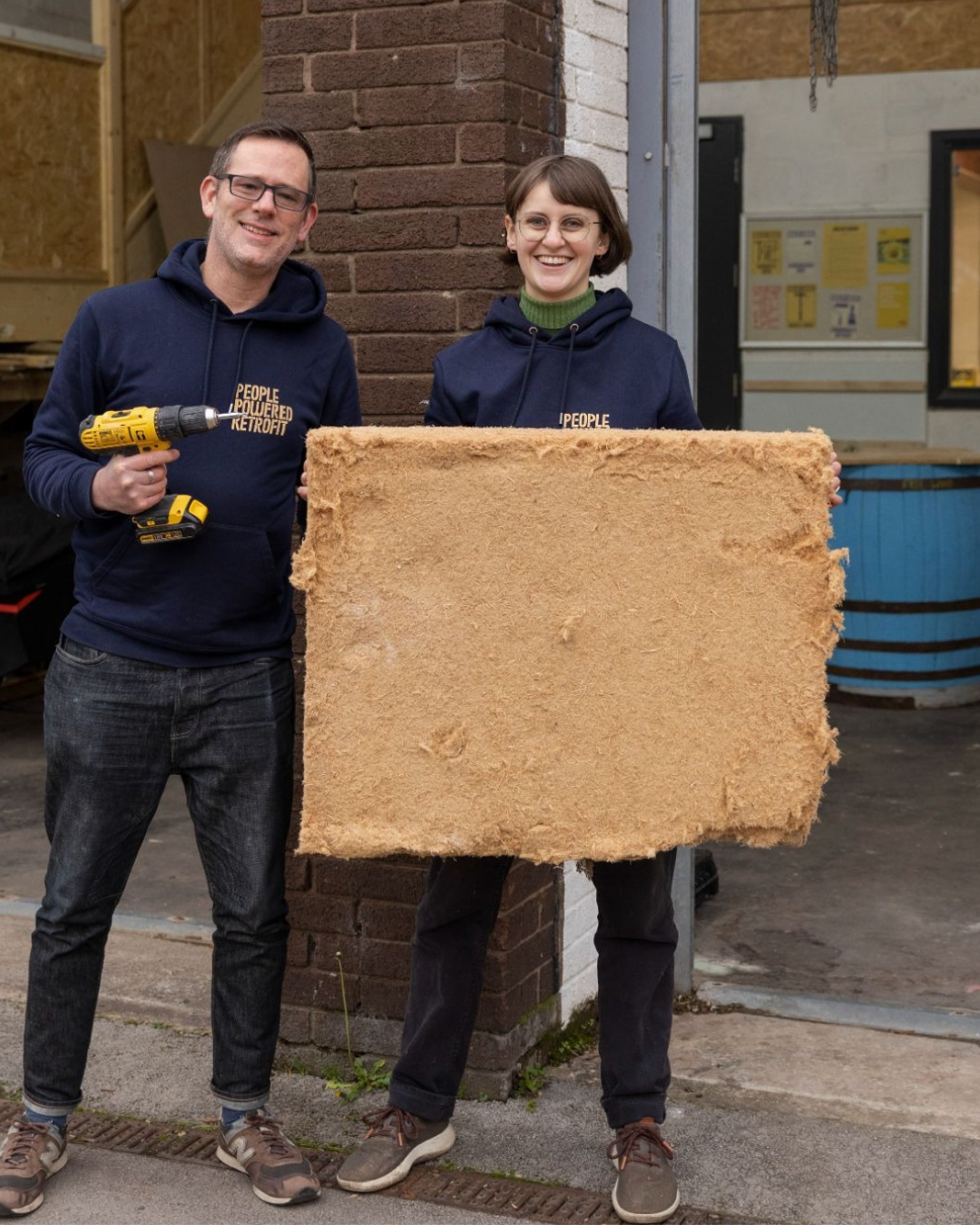
'Up front' carbon emissions are created during the manufacturing of materials and the construction process itself. This is often referred to as 'embodied carbon'. By choosing to retrofit rather than knocking everything down and building a new home from scratch, you are already avoiding significant upfront emissions. To minimise this impact further, we recommend lower-impact materials and measures wherever possible - though choices can sometimes be limited by factors like fire safety or technical performance requirements. We also recognise that the upfront carbon of a deep fabric retrofit, even with carefully selected materials, can take years to offset through operational energy savings (which informs our balanced approach).
Crucially, upfront impacts aren't just about carbon and energy. Broader environmental and social factors - such as deforestation, recyclability, pollution, toxicity, and health risks to workers - are equally important and considered in our advice.
Addressing the performance gap
Too often there is a gap between expectations and reality in building projects - in both energy performance, but also in comfort or air quality and health. We aim to mitigate this in retrofit projects by making sensible assumptions in the modelling work that informs our recommendations. By following through with good design, quality assurance and proper commissioning of heating and ventilation systems in later project stages, you’ll ensure your project achieves its aims.
This performance gap might also be present in your home currently, and we consider this in the recommendations we make. For example, you might be frugal with heat in your home now, meaning your energy use is lower, but it is uncomfortable. We adjust our assumptions in the baseline model and in future scenarios to account for this need for greater comfort.
So, are we the right people for you?
If you’ve already got your heart set on a very specific measure, it’s probably better to find an installer to help you. If you’re already halfway through a build, our advice might not be the most useful.
But if you're asking:
- What should I actually do with my home?
- Do my plans and ideas make sense for my home?
- How do I prioritise my retrofit plans to give me the biggest bang for my buck?
- What should I install now, and what can wait til later?
- How do I get off gas?
Our approach helps answer all of those questions (and more).
Retrofit isn’t just a shopping list of measures you’ve got to stick in your home to get it to perform.
We see it as a series of decisions about how you want your home to work, and we can help you map out the journey to get there.