Case Study: Restoring a family home
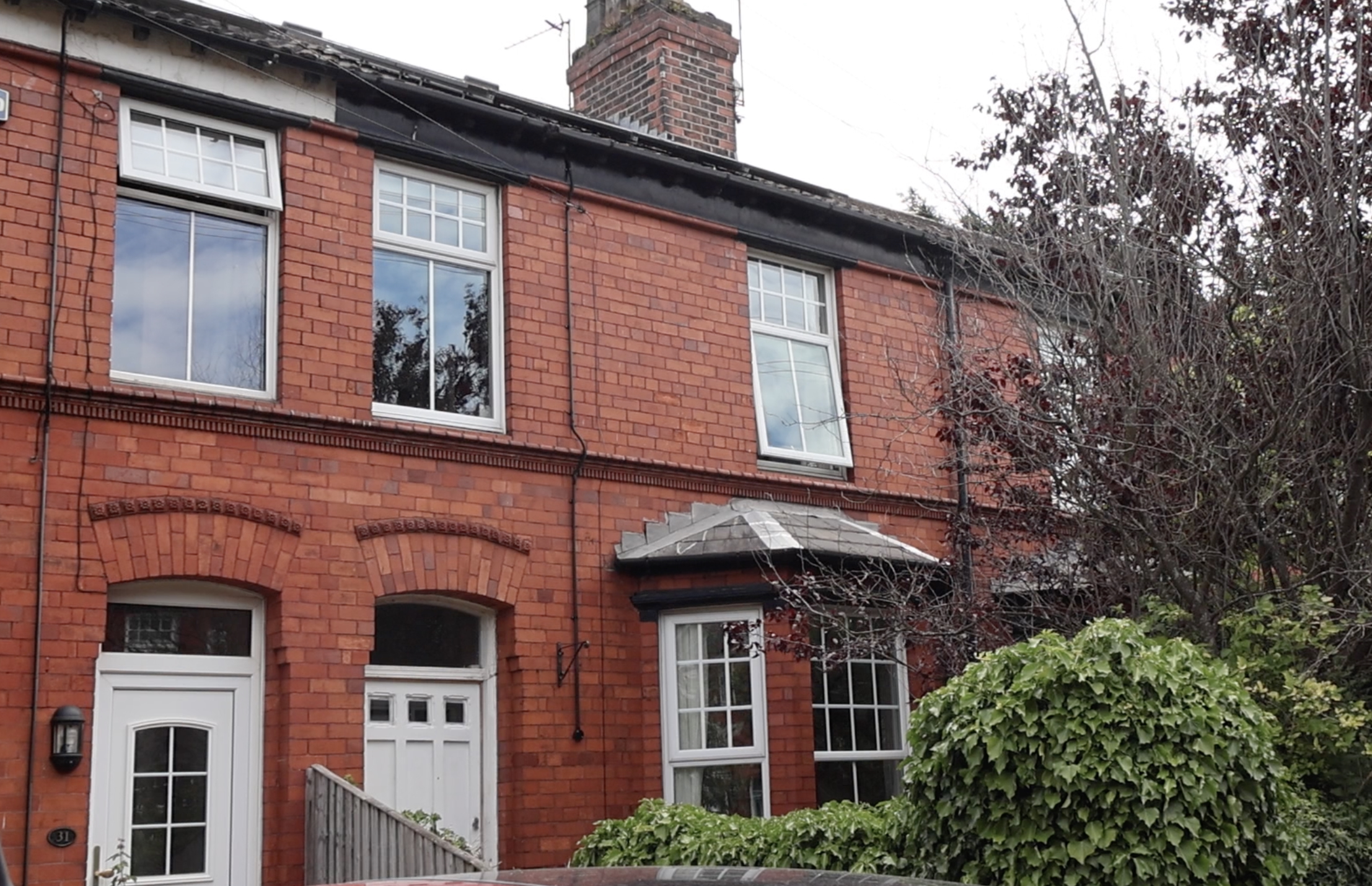




- Home: 4-bedroom terrace
- Built: Early Edwardian
- Drivers: Ensure home is healthy and liveable for family, get off gas, reduce energy bills
- Measures: Floor insulation, internal wall insulation, airtightness, air source heat pump (ASHP), solar photovoltaics (PV)
- Funding: Savings
- Cost: Approx £75,000
- Key outcome: Gas-free home, mould, damp and dry rot eliminated, almost non-existent bills
Lynsey has lived in her four-bedroom terraced home in Liverpool with her husband, two children and their cat, Toast, for the past 14 years. The family fell in love with the house as soon as they moved in. 'It's the best place I've ever lived,' Lynsey said. 'We knew we wanted to stay here long term.'
But despite loving the house, it hasn’t always been easy living in it.
As with many Edwardian properties in the area, the home became unbearably cold in the winter. Damp and mould were a constant battle, with walls downstairs so wet that plaster had begun pulling away from the brick and food packaging beginning to rot within days of being placed in the cupboards. The family were greeted most mornings by an increasingly swelling army of slugs, who had invaded the kitchen through the various cracks and gaps in the walls.
'The colder seasons were really miserable,' Lynsey explained. 'It didn't feel healthy living there with children, and we really were fighting a losing battle.'
The family had originally planned to save for a large extension and renovation, but when the pandemic delayed those plans they began looking more seriously at retrofit instead.
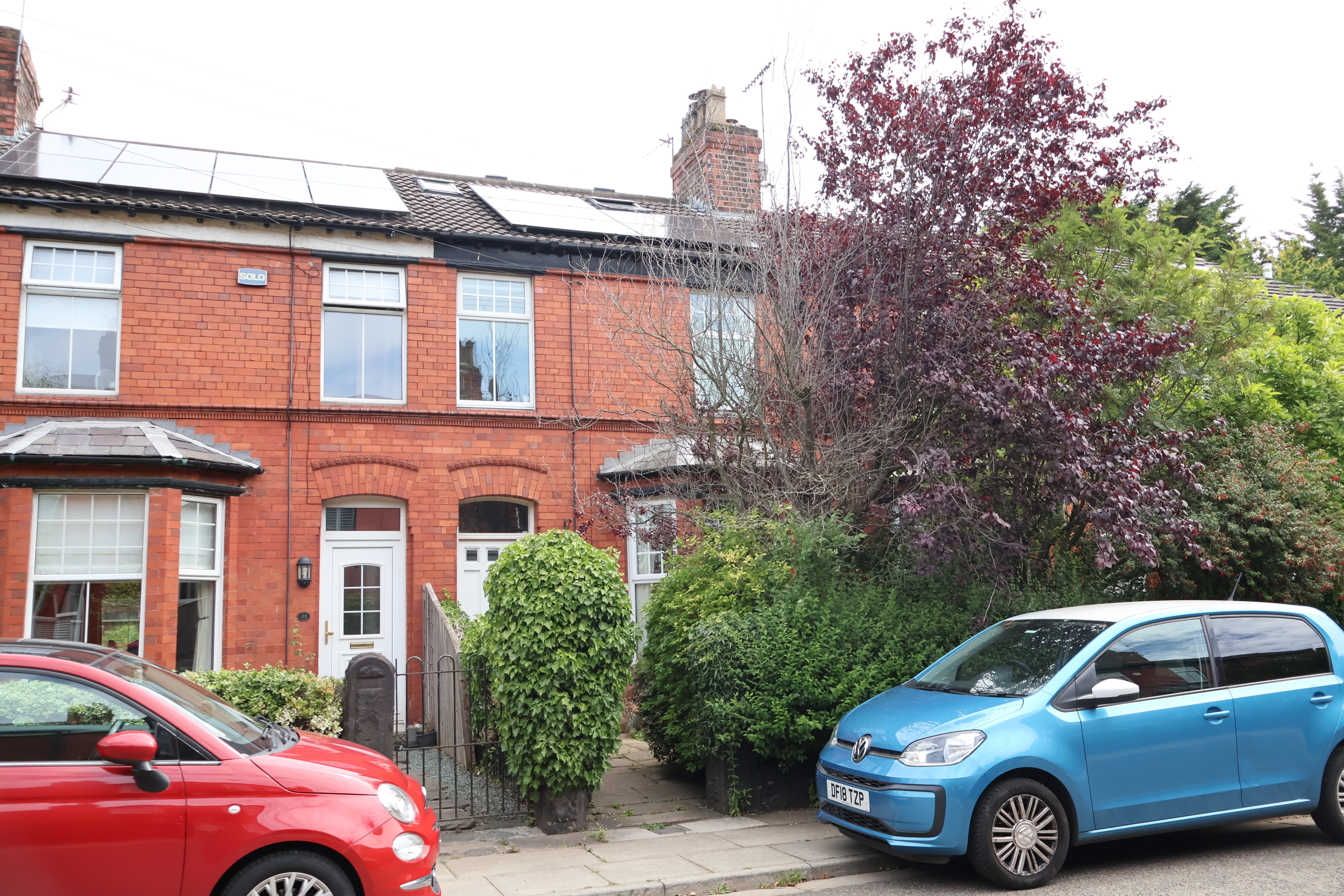
'We realised we wanted to make the house more liveable rather than bigger or prettier'.
A big project
Lynsey had long been interested in retrofit - having had an ‘enlightened teacher’ in her childhood - and saw this as an opportunity to improve the house properly rather than just to modernise it or make it bigger. The family contacted People Powered Retrofit to better understand why the house performed so poorly and what they needed to do to put things right.
The survey revealed that the house required far more work than they had expected.
'It was a massive undertaking,' Lynsey said. 'But by that point we were committed to doing it properly.'
Prior to the pandemic, the family had contacted an architect to produce some extensive designs to expand the living space, but as the project developed the family's priorities began to shift.
'We realised we wanted to make the house more liveable rather than just bigger or prettier.'
Instead, they returned to the retrofit plan developed with People Powered Retrofit, using it to prioritise the work that would have the biggest impact on comfort and health as quickly as possible.
Making an impact
Making the house healthy to live in - urgently - became the family's immediate priority.
The damp walls, peeling plaster and persistent mould all needed sorting before anything else could be started. Around the same time, their ageing gas boiler was nearing the end of its life, while an increase in the Government's Boiler Upgrade Scheme grant suddenly made installing an air source heat pump financially possible.
Lynsey took on the role of project manager, coordinating contractors and sequencing all the work herself.
'Trying to fit everything together was really complex,' she said, ‘but I wanted to do it properly’.
The family carefully selected builders with experience of insulating older, damp properties, installing internal wall insulation and underfloor insulation.The builders weren’t necessarily ‘eco’ builders, but they were interested in what the family were doing and sensitive to what they wanted to achieve.
Once work began, however, an unexpected problem emerged.
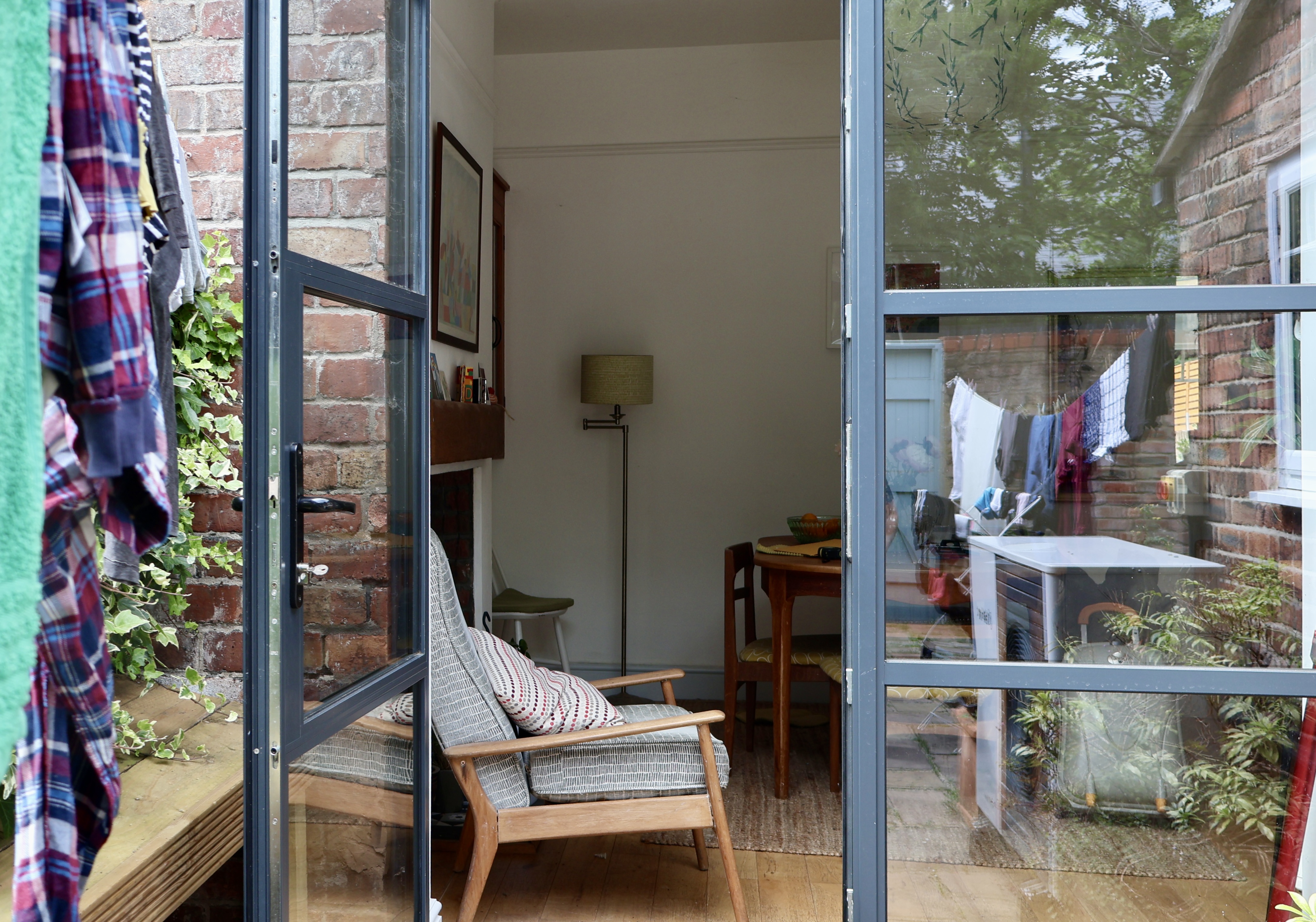
As builders opened up the ground floor they discovered extensive dry rot that required immediate treatment. The entire ground floor had to be excavated while the timbers were treated and repaired. ‘We just went on holiday,’ Lynsey laughed, ‘got out of all the mess’.
A home transformed
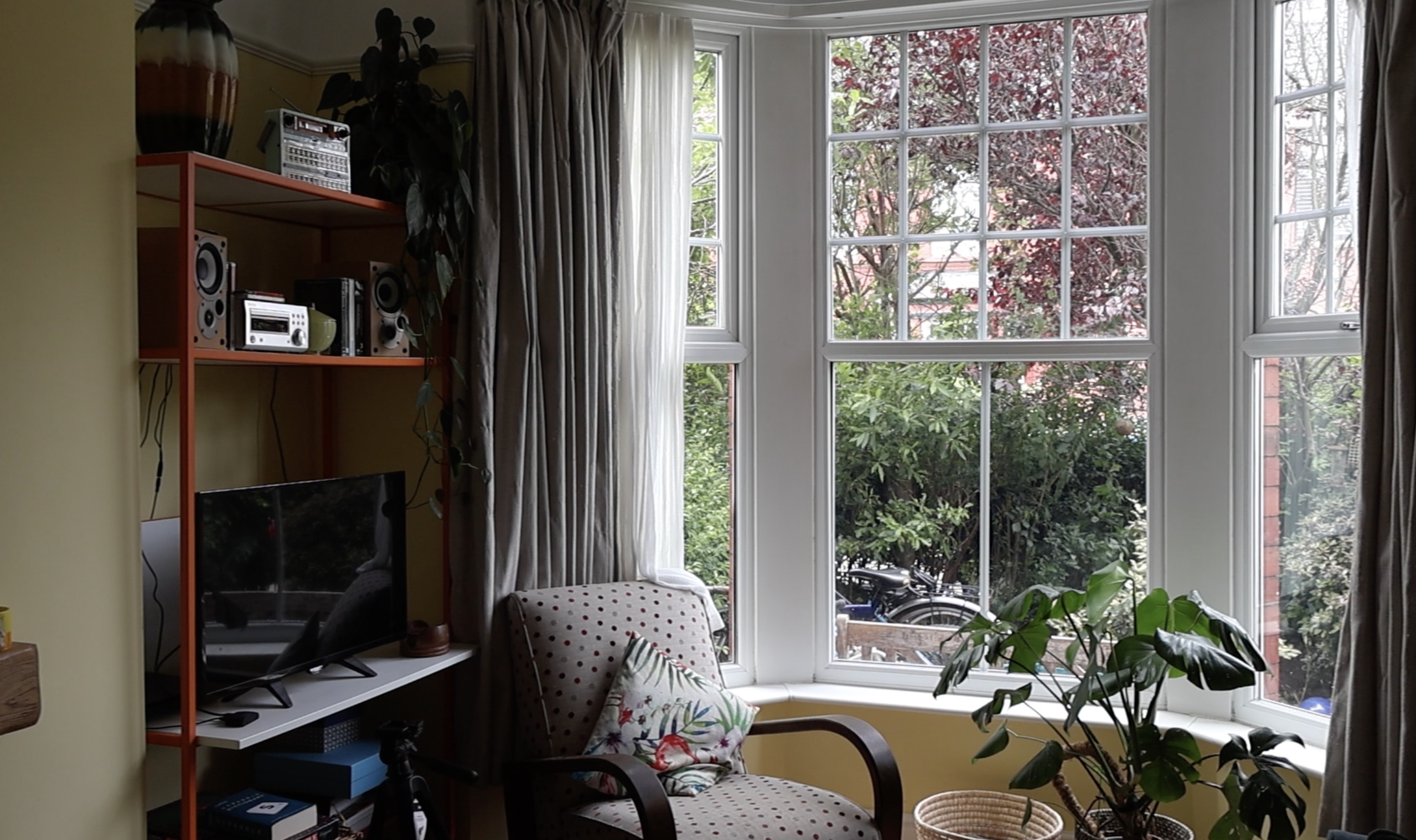
Insulation work around the bay window, walls and floors made an immediate difference, while a small dining room extension added more space and light.
'You could feel the impact of the work straight away,' Lynsey said.
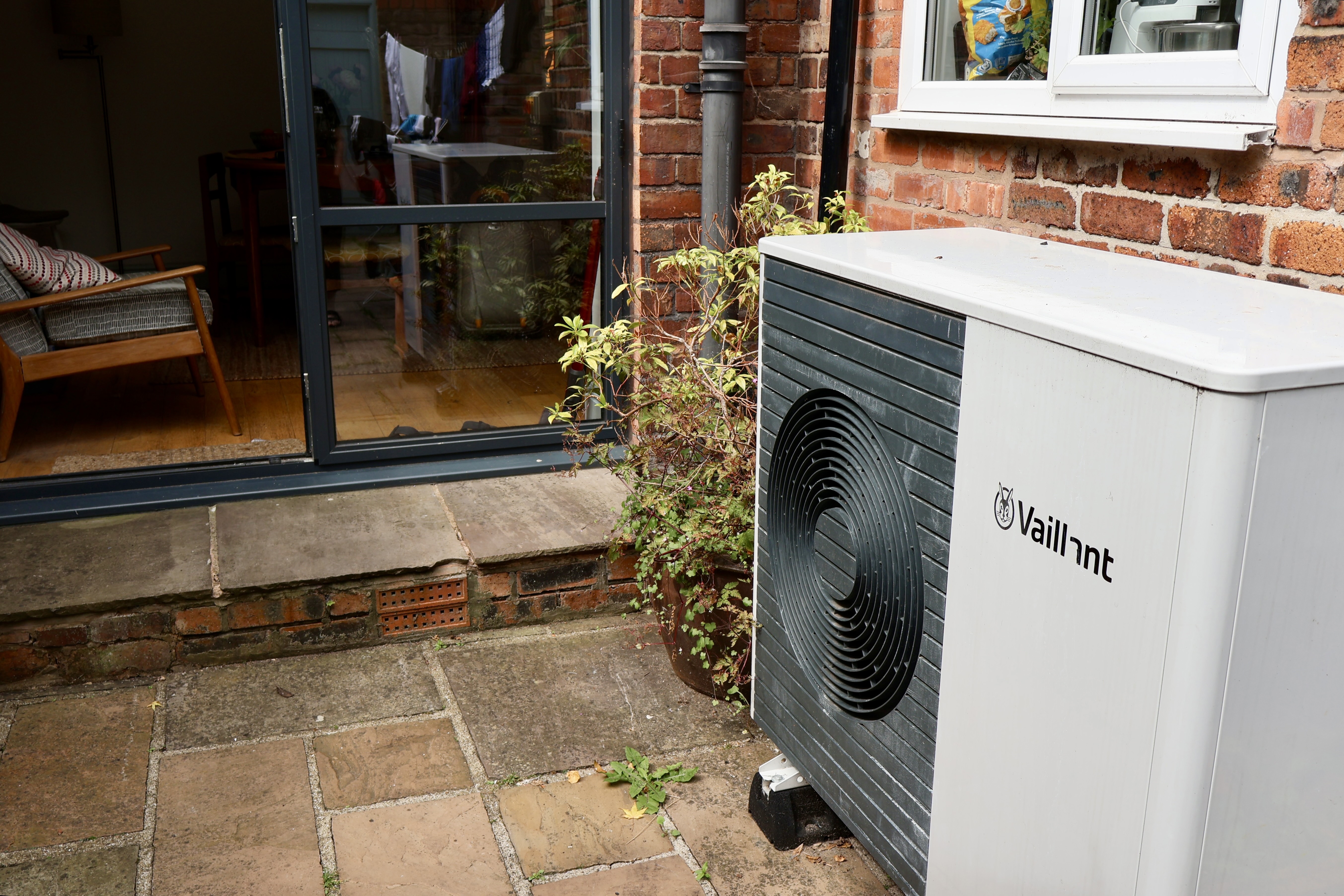
The heat pump was installed shortly afterwards. Like many households switching from a gas boiler, there was an adjustment period to its functionality.
Initially the family continued using it as they had their old heating system, switching it on and off throughout the day in two hour periods. ‘We couldn’t see how leaving it on low would work out better for us, so kept switching it off’.
They were shocked when they found their electricity bills were much higher than they had expected. The installer explained that heat pumps work best when left running steadily at a lower temperature.
'Once we understood how it worked, everything settled down.'
Two years on, the difference is night and day.
There are now no longer any draughts, damp or mould, and the house stays comfortably warm throughout the winter while remaining much cooler during the summer. Instead of dramatic swings between feeling cold and then overheated, the family now enjoys an ambient, comfortable temperature of about 17 degrees celsius all year round.
'In the past, we often needed to put the heating on to even get through the summer months,’ Lynsey said, ‘now, we are totally comfortable in the depths of winter. We’re made up with it.’
Investing in the future
The retrofit was funded almost entirely through the family's savings, and a small government grant for the heat pump.
'Everything and more went into it,' Lynsey said, ‘it was a real risk’.
The work they were doing on the house wasn’t just improving the home, however.
'We weren't just making it nicer. We were restoring the house to full livability. We just really had to go for it.'
In total, the project cost around £75,000. They staged the project slowly, allowing them to continue to save as they went and afford the right specification of measure. They used the plan People Powered Retrofit developed as a spring board to research and identify the right products and installers at the right time.
Although the project was a significant financial commitment, they felt it still made more sense than moving house - which would have brought its own costs and challenges.
Much better bills
Lynsey recognises that reducing bills was not a key priority for the family when starting this project. While it was a ‘nice to have’, the focus was on restoring liveability back to the home and ensuring that the children had a healthy space to grow up in.
At first the bills remained the same as previous years, ‘we were just a lot warmer and more comfortable for the same price’. However, Lynsey found other ways to reduce them as time went on. ‘I got really nerdy about it,’ she said.
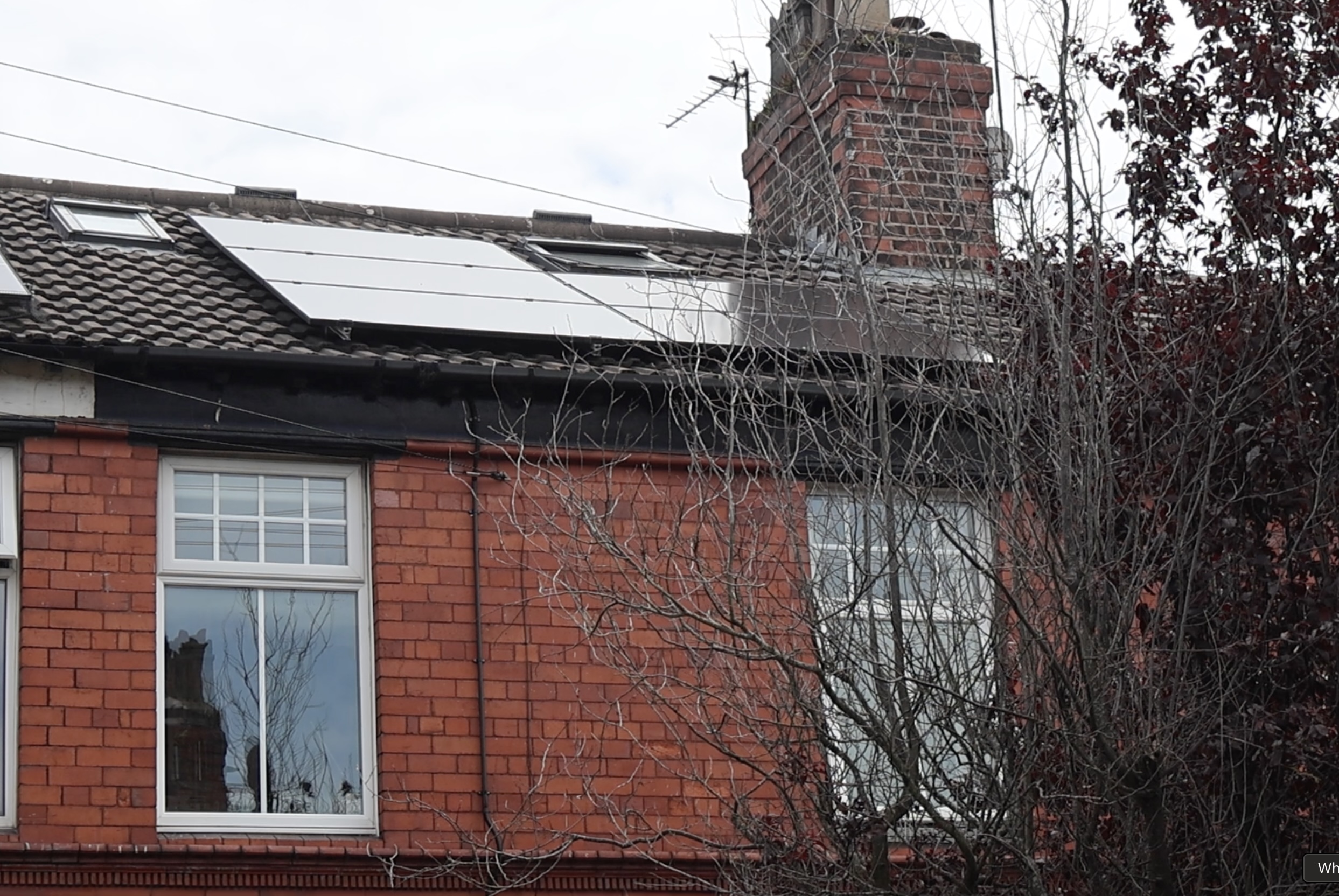
The installation of solar panels and batteries meant the family needed to look for tariffs that gave her favourable rates and allowed her to export unused energy to the grid. Bills are now almost negligible for most of the year, ‘We get electricity from the solar panels almost all year around,’ she explains, ‘now that our energy isn’t leaking out of the house, we export back to the grid even in winter sometimes!’
Next steps
Although the family still has plans to insulate their daughter's front bedroom, they feel the house has already been transformed into something far more liveable, comfortable and healthier for their family. Indeed, walking into their home, it’s difficult to imagine the house as damp and cold - it’s fresh, cool and feels well loved.
Looking back, Lynsey describes the project as a huge risk, particularly because it required using so much of the family's savings, but she has no regrets. ‘It’s one of the best things we have done, and I want to show it’s still possible to make Edwardian homes comfortable to live in’.
The house they fell in love with 14 years ago is now the healthy, comfortable home they always hoped it could become, and somewhere they can see themselves living for many years to come.
Feeling inspired?
Get in touch by using our short form and start your home retrofit journey!